How to Remove Common Stains from Linen Clothing: Tea, Grass and Red Wine
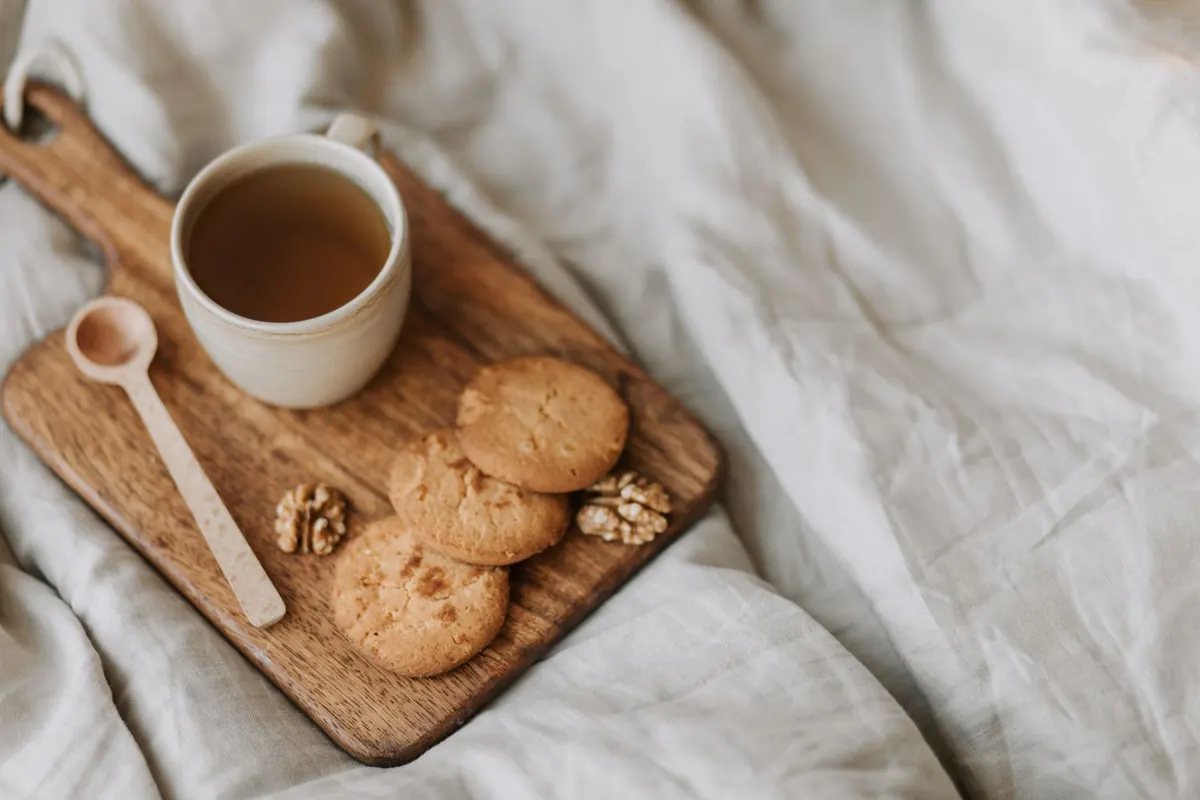
Spill tea on a linen shirt and the mark seems to bloom before your eyes. Grass stains on a linen skirt have a habit of showing up after the wash rather than before it. Red wine on a linen tablecloth — you already know how that goes. Linen's absorbency is part of its appeal: flax fibres take up liquid quickly, which is why a splash can look settled in within minutes. The good news is that linen is also one of the toughest natural fibres you can wear, and it is actually stronger when wet than dry. It can take a firmer hand than silk or wool.
What it cannot take is a generic approach. Tea is tannin. Grass is chlorophyll mixed with plant proteins and often mud. Red wine is pigment, tannin and acid all at once. Treat all three the same way and you will either set the mark or punish the fabric. Here is how to handle each one properly.
Four rules that protect the fabric
Whatever has landed on your linen, start with these. They matter more than any single remedy.
- Start with cold water. Hot water sets tannin and protein, which is exactly what tea and grass are made of. Warm water comes later, and only when the label allows it.
- Blot, never rub. Rubbing drives the stain deeper into the weave and fuzzes the surface of the cloth, which shows up badly on linen's smooth finish.
- Work from the back. Turn the garment inside out and flush from the reverse. You want the stain pushed out of the fibre, not through it.
- Skip chlorine bleach. It can yellow and weaken linen over time. For white linen, use an oxygen-based bleach instead.
- Test on a hidden edge. Coloured, printed and especially indigo-dyed linen can shift. Try any solution on the inside hem first, then wait a few minutes.
One more thing: keep the stain damp until you can deal with it, and never iron or tumble dry a mark that has not come out. Heat fixes stains permanently, and no amount of soaking will undo that.
Tea: tannin, and why milk changes the job
Tannin is a dye, which is why a tea mark looks brown from the start rather than fading gradually. Black tea is the worst offender; green and herbal teas are gentler but still leave tannin behind.
Fresh spills
Blot up what you can with a clean cloth, then hold the fabric under cool running water and flush from the back. If the tea had milk in it, you are dealing with fat and protein as well as tannin, so reach for a biological (enzyme) liquid detergent. Apply a small amount undiluted, work it in gently with your fingertips, leave it for ten to fifteen minutes, then rinse thoroughly in cool water.
Dried-in tea marks
Soak the item in cool water with a scoop of oxygen bleach for an hour, following the packet instructions. For coloured linen, shorten the soak and check the water for any sign of dye lifting. A dilute white vinegar soak — roughly one part vinegar to three parts cool water, for half an hour — is a long-standing remedy for tannin on white linen, but keep it brief and rinse well, as acid is not something linen should sit in for long.
Grass: the case for enzymes
Grass stains are a mix of chlorophyll, plant protein and whatever soil came with them. Biological detergents break down protein and chlorophyll effectively, which is why they outperform soap-based products here.
- Let any mud dry, then brush it off rather than rubbing it in.
- Flush the stain from the back with cold water.
- Apply biological liquid detergent or a dedicated stain remover and work it in with a soft brush — an old soft toothbrush is ideal. Give it fifteen to thirty minutes.
- Wash on the temperature your care label allows. Most coloured linen is fine at 30°C or 40°C; white and undyed linen will often take 60°C.
- Check before drying. If any green remains, repeat the treatment. This is the single most important step in the whole process.
For a stubborn mark, dab methylated spirits onto the stain with a cotton bud, leave it a minute, then rinse. It is widely used on grass and works well, but test it first on coloured fabric.
Red wine: act fast, then be patient
Blot immediately with a clean cloth, pressing lightly. Salt is the traditional response and it is overrated — it draws out liquid but leaves the pigment behind, so cold water does the job better. If you are out, sparkling water is fine; plain water is better.
At home, stretch the fabric over a bowl and pour cool water through the stain from the reverse. Then apply a drop of washing-up liquid diluted in cool water, massage it in gently and leave it for ten minutes before rinsing. Hot water at this stage will fix both the tannin and the colour, so resist it. If white wine is what is to hand, it does no harm, but it is no more effective than water.
Dried red wine responds best to an oxygen bleach soak. This is the one stain where a proper soak genuinely changes the outcome.
Oxygen bleach: the safest brightener for linen
Oxygen bleach, usually sold as sodium percarbonate, is the reliable option for pale and white linen. Dissolve the powder in hot water first, then top up with cold to bring it down to a safe soaking temperature — never sprinkle it dry onto the cloth. Use a plastic bowl rather than metal, soak for thirty minutes to a couple of hours, and follow the product instructions rather than guessing. Keep it away from coloured linen for long periods, and never combine it with chlorine products.
Washing and drying afterwards
Wash linen on its own or with similar colours, using a mild detergent and no fabric softener, which coats the fibre and dulls its natural crispness. Line drying suits linen beautifully; sunlight helps white linen look brighter but will fade coloured pieces over time, so dry those in the shade. If you use a tumble dryer, keep it low and take the item out slightly damp, then hang it and smooth the seams by hand. Iron on the reverse while still damp, or simply enjoy the creases.
Repeat the treatment before you dry. Linen forgives a lot, but it does not forgive heat applied to a stain that is still there.
When to stop and call a professional
If the linen is vintage, heavily embroidered, hand-painted or part of a set you care about, take it to a dry cleaner and tell them exactly what was spilled and what you have already tried. That information matters more than most people realise. For everything else, patience beats force: treat, rinse, check, repeat. Three gentle rounds will usually shift a mark that one aggressive scrub would have driven in for good.
Photo: Vlada Karpovich / Pexels